
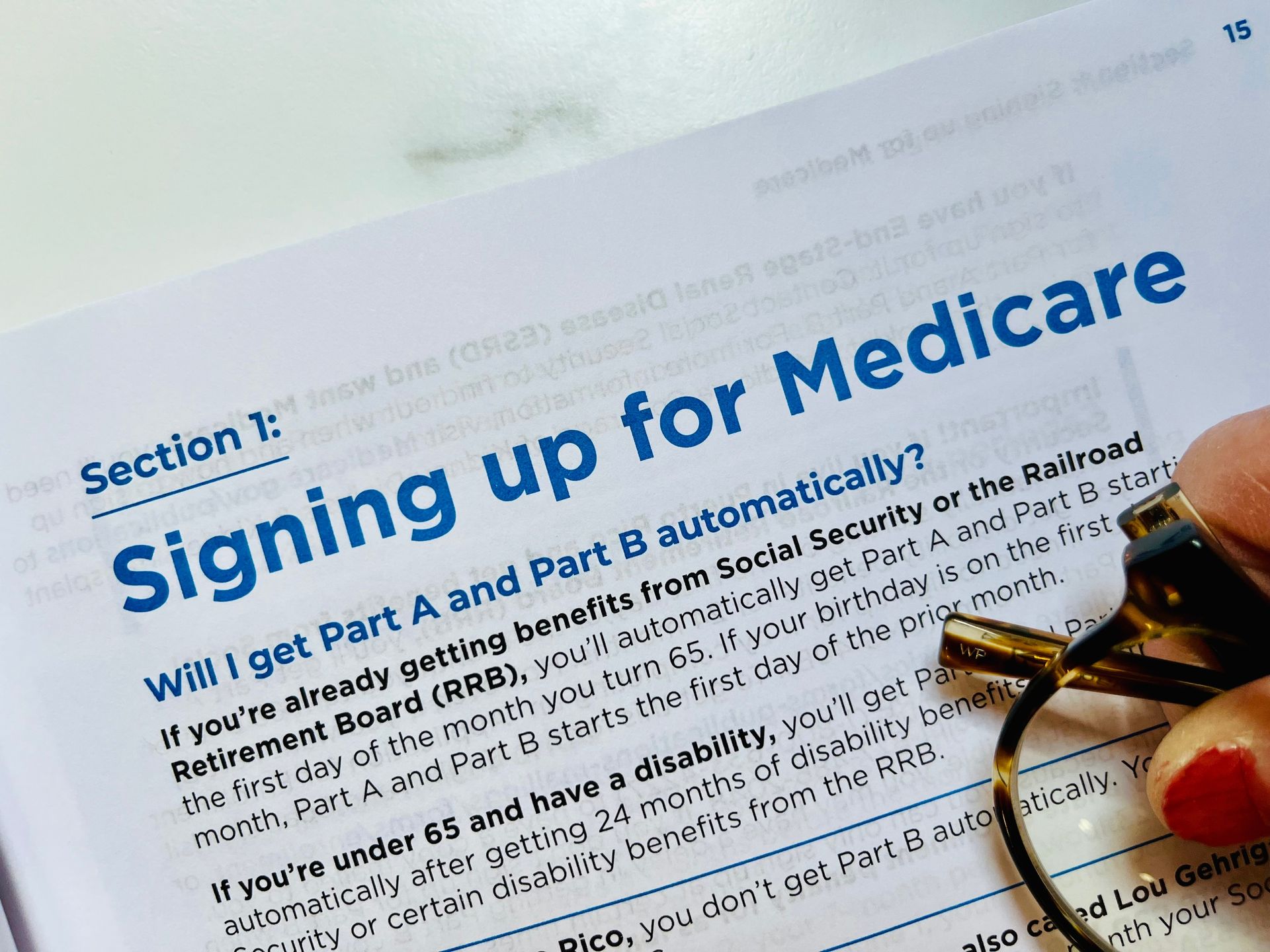
Your Current Plan May No Longer Fit
Medicare Plan Reviews in Snowflake for beneficiaries whose coverage, prescriptions, or healthcare needs have shifted since enrollment
Medicare plans do not automatically adjust as your healthcare needs change—a plan that was a reasonable fit at enrollment may have developed gaps in coverage, added new cost-sharing requirements, or shifted its drug formulary in ways that now affect what you pay at the pharmacy or whether your providers remain in-network. Snowflake Health Insurance conducts Medicare Plan Reviews in Snowflake that take a close look at existing coverage against current needs rather than against the conditions that existed when the plan was first selected. This kind of review often surfaces cost exposure or coverage gaps that are not visible without reading the plan's current Evidence of Coverage document alongside a beneficiary's actual usage.
The review process examines your current benefits in detail—premiums, deductibles, copay structure, out-of-pocket limits, and prescription drug tier assignments—and then maps those terms against how you are actually using the plan. From that comparison, areas where the plan is working well and areas where it is producing unexpected costs or coverage shortfalls both become identifiable before they create larger financial consequences.
Schedule a plan review to evaluate whether your current Medicare coverage continues to align with your healthcare situation.
What Proper Medicare Plan Review Requires
A plan review that produces useful results depends on examining the right documents and asking the right questions. The current year's Evidence of Coverage and Summary of Benefits are the primary documents, because plan terms change from year to year and what was true at enrollment may not reflect the current plan year. Alongside those documents, reviewing your current prescription list against the plan's formulary identifies whether any medications have moved to a higher cost tier or been removed from coverage entirely.
Following the review, what typically becomes clear is whether your plan is still the most efficient structure for your situation or whether switching during the next available enrollment period would reduce your overall cost exposure. You will have a documented picture of your current plan's terms so that any comparison against alternatives starts from an accurate baseline rather than what you recall from when you enrolled. Snowflake Health Insurance provides that baseline analysis as part of the review process.
One factor that often goes unexamined is whether a plan's provider network has changed since enrollment. Plans periodically remove or add providers, and a specialist or primary care physician who was in-network when you selected the plan may no longer be covered at in-network rates. Confirming current network participation for your key providers is a routine but important part of any complete plan review.
Common Questions About the Review Process
The questions below address what a Medicare Plan Review involves, what triggers one, and what to expect when the review identifies a coverage issue.
How often should a Medicare plan review be completed?
A review makes sense at least annually before the Annual Enrollment Period, and also any time you add a new prescription, begin seeing a new specialist, or receive your plan's Annual Notice of Change, which documents plan modifications for the coming year.
What documents are needed to complete a thorough plan review?
The most useful starting point is your current Evidence of Coverage, your Summary of Benefits, and a complete list of current medications with dosages—together these allow the review to address both cost structure and formulary coverage in concrete terms.
Why do Medicare plan formularies change from year to year?
Insurance carriers adjust formulary tiers annually based on drug pricing, contract negotiations, and regulatory requirements, which means a medication that was on a preferred tier in a prior year may be assigned to a higher-cost tier in the current plan year without any change on your end.
How does a plan review differ from simply reading the Annual Notice of Change?
The Annual Notice of Change lists modifications but does not evaluate whether those modifications affect your specific situation—a review applies those changes to your actual prescription list and provider relationships to determine whether the impact is significant for you personally.
What happens if a review identifies that your current plan is no longer a good fit?
The review will identify what enrollment windows are available to make changes—typically the Annual Enrollment Period in the fall—and what alternative plan options exist so you can compare before making any decisions.
Snowflake Health Insurance also conducts Medicare Plan Reviews in Show Low, Pinetop-Lakeside, Taylor, Holbrook, and Winslow. To begin a review of your current Medicare coverage, connect with Snowflake Health Insurance and bring your most recent plan documents and prescription list to the session.